A Bakossi Story Goes to Toronto: Ndab'e Nsang (House of Peace) Named a TINFF 2026 Nominee
A Cameroonian feature shot entirely in the Bakossi language has moved from official selection to nominee at the Toronto International Nollywood Film Festival, placing a South West Region story on one of Canada’s Academy-recognised stages.
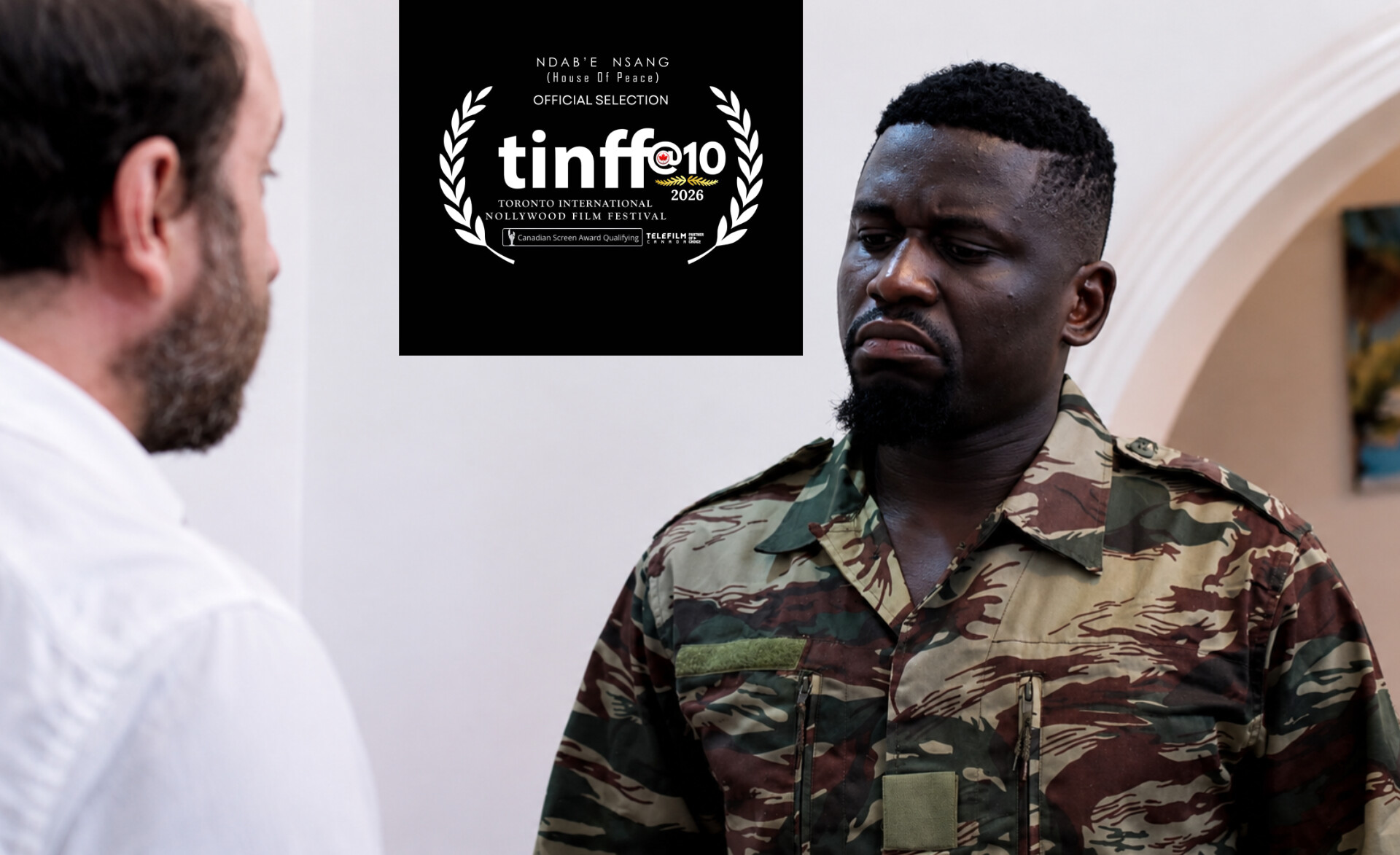
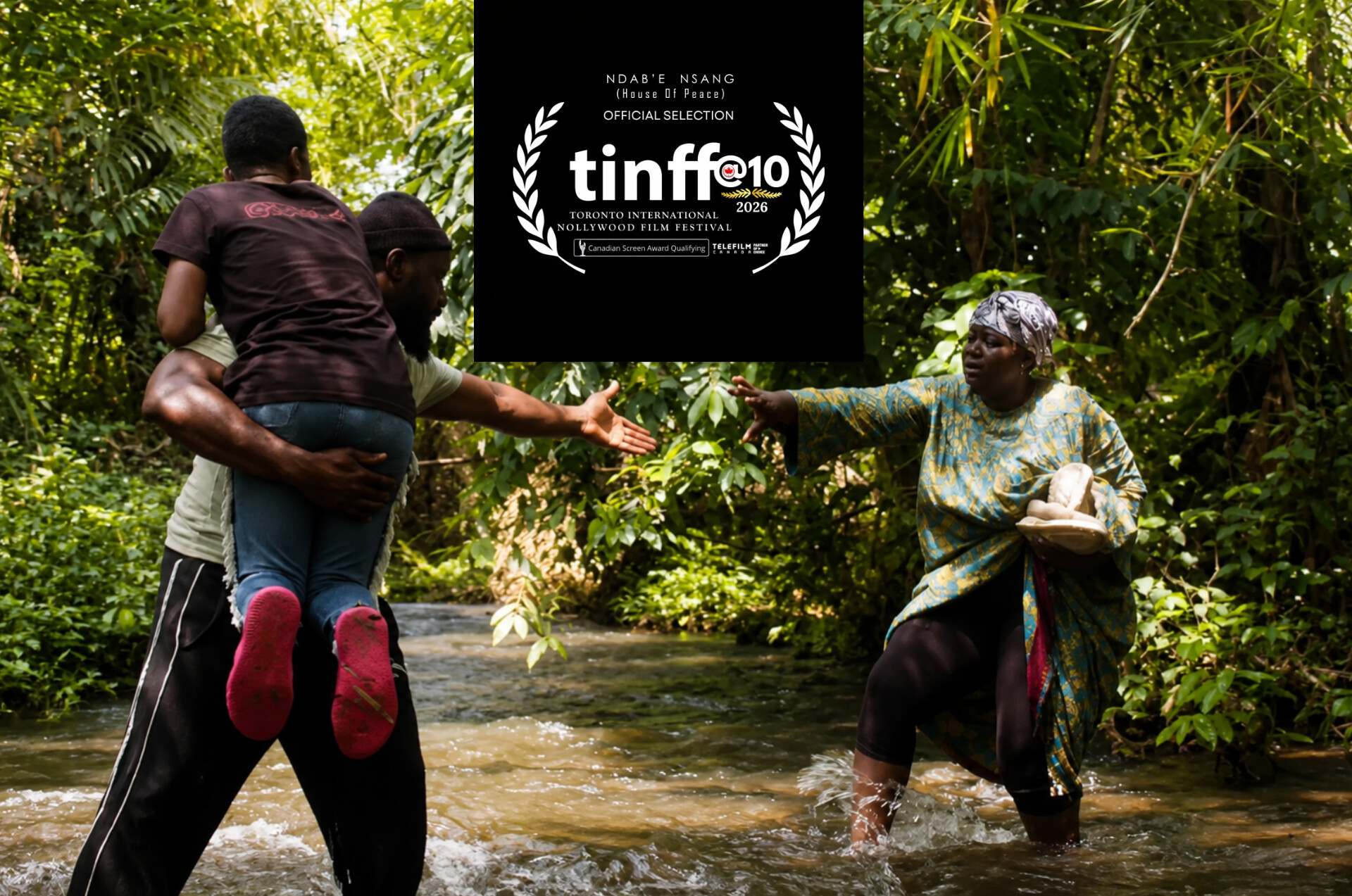
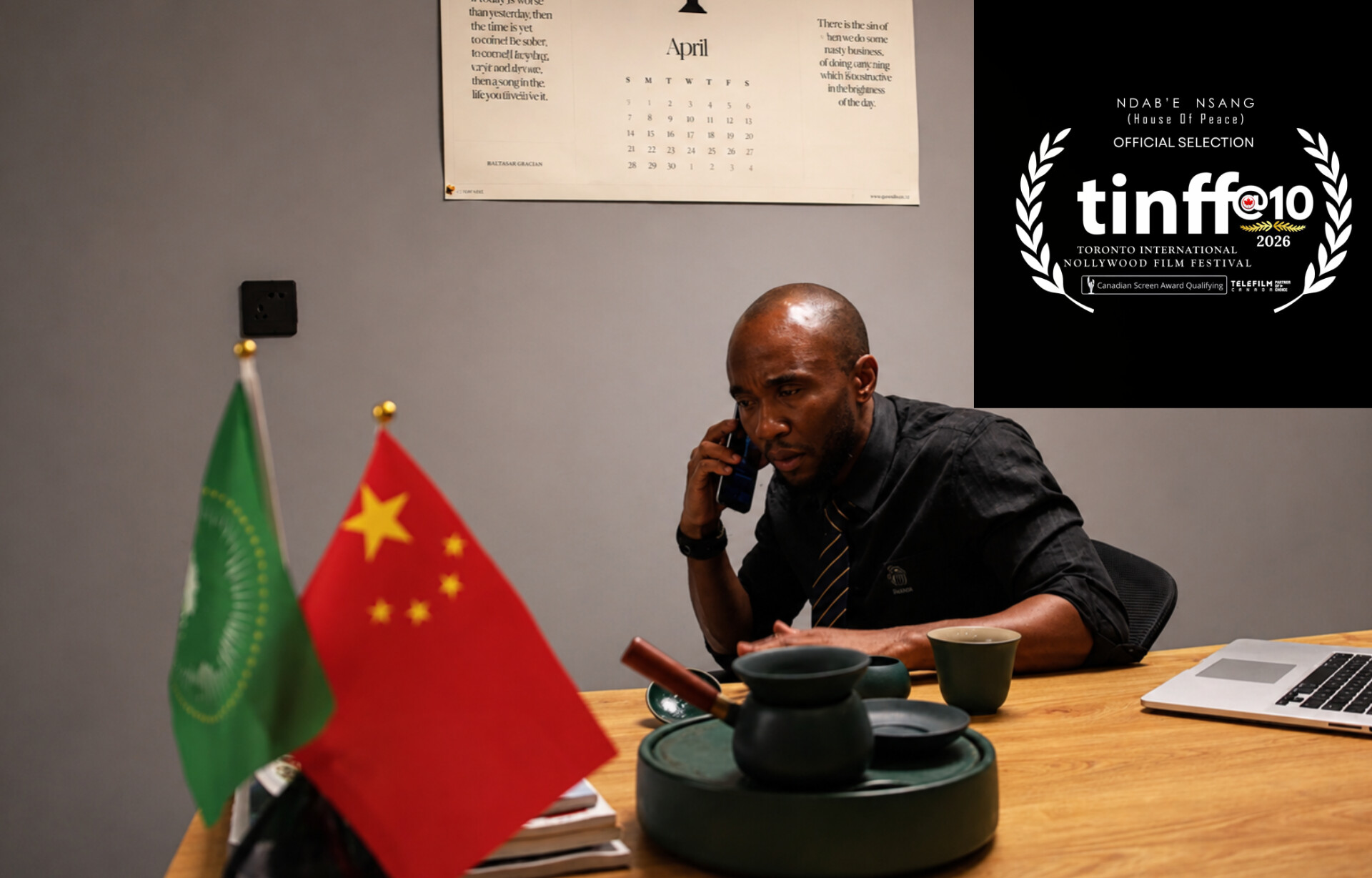
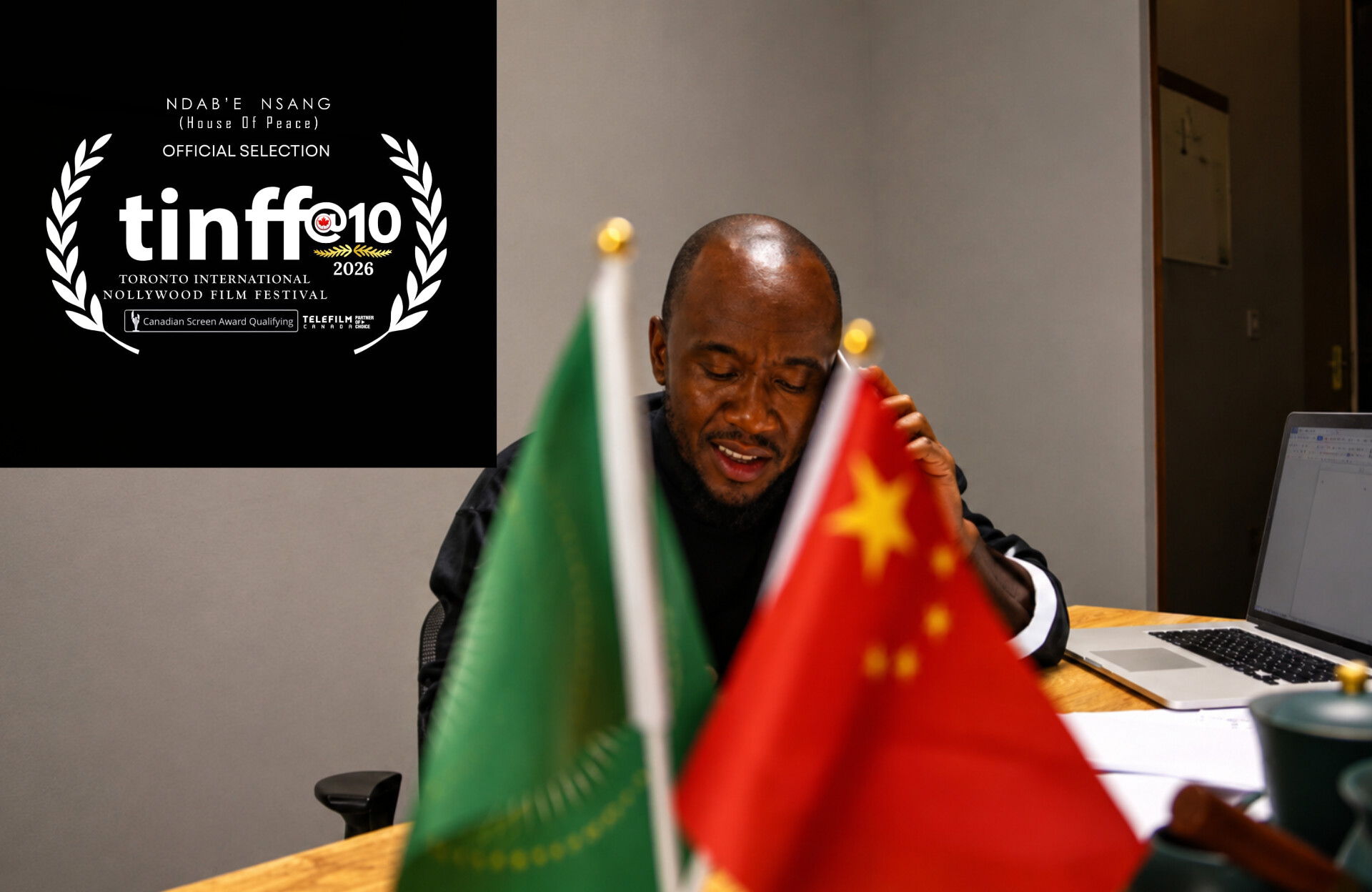
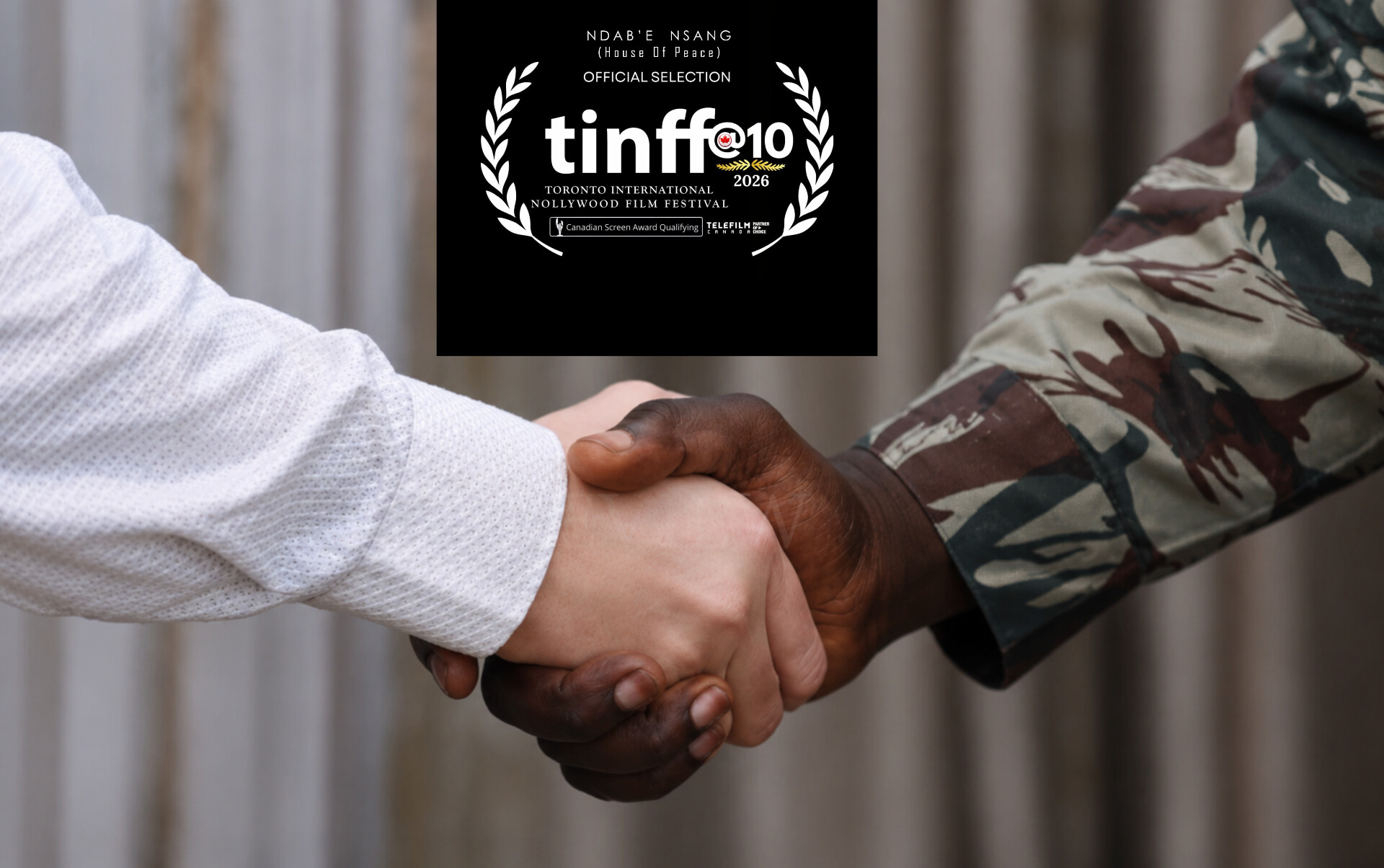
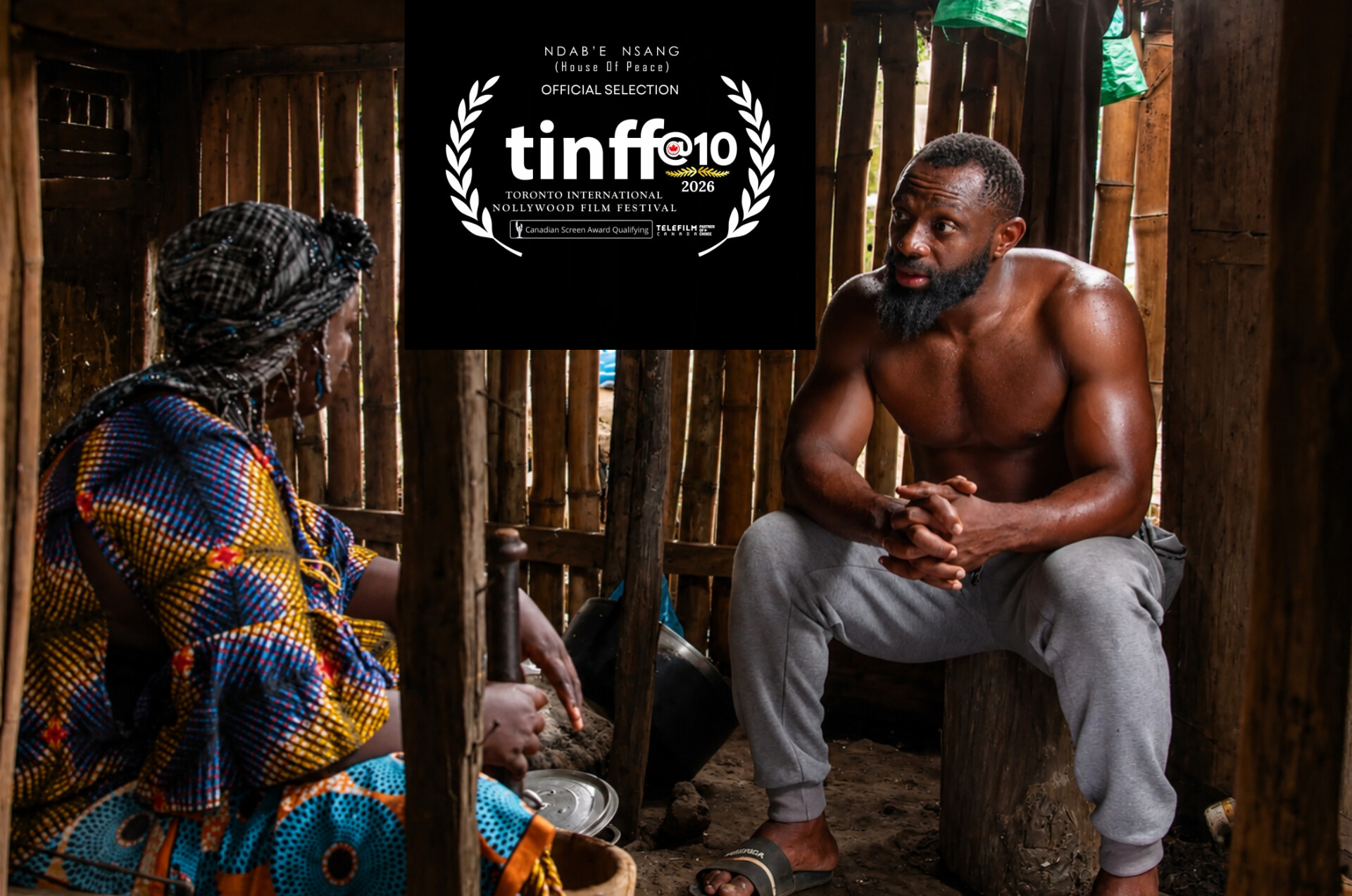
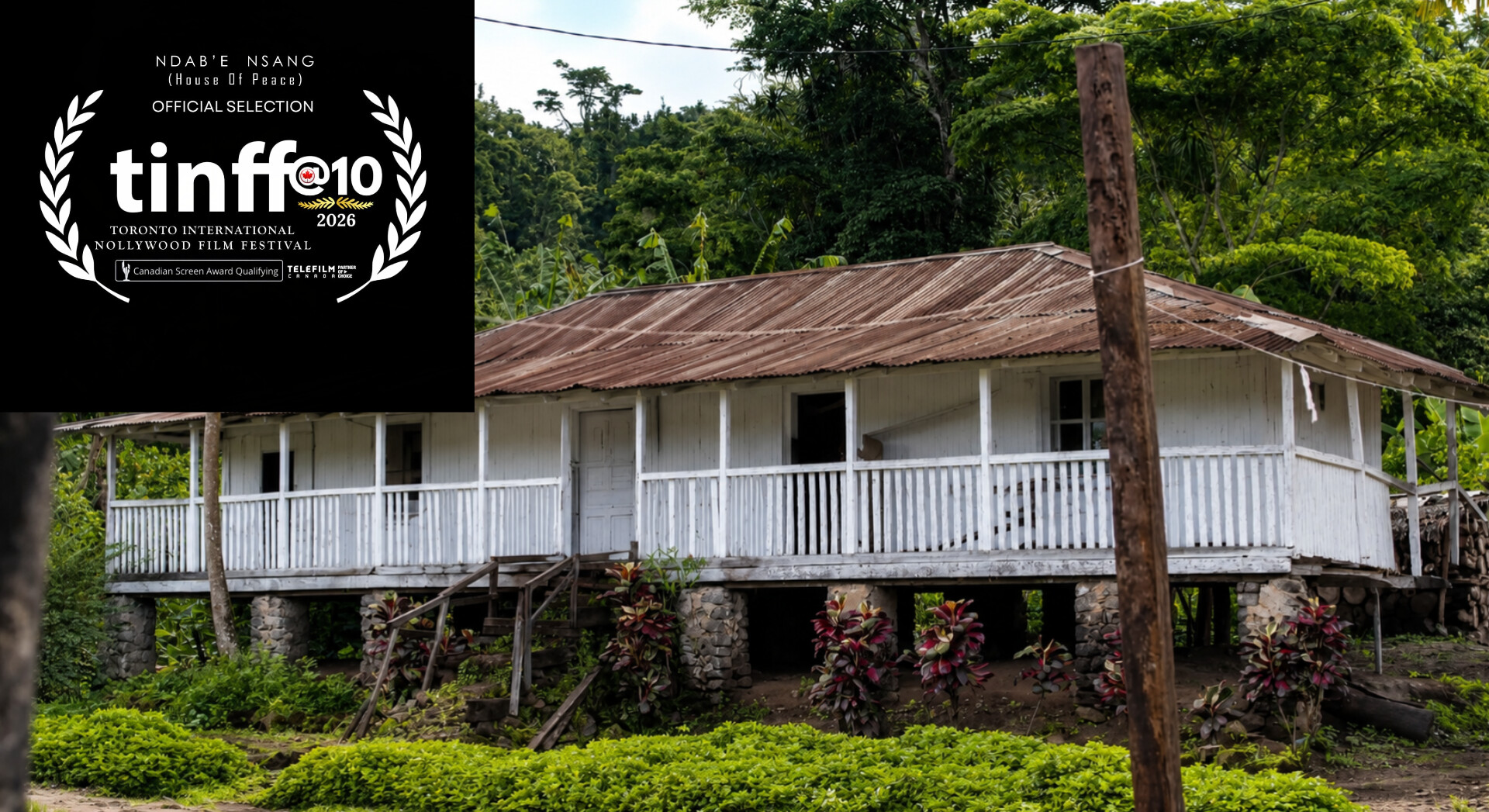
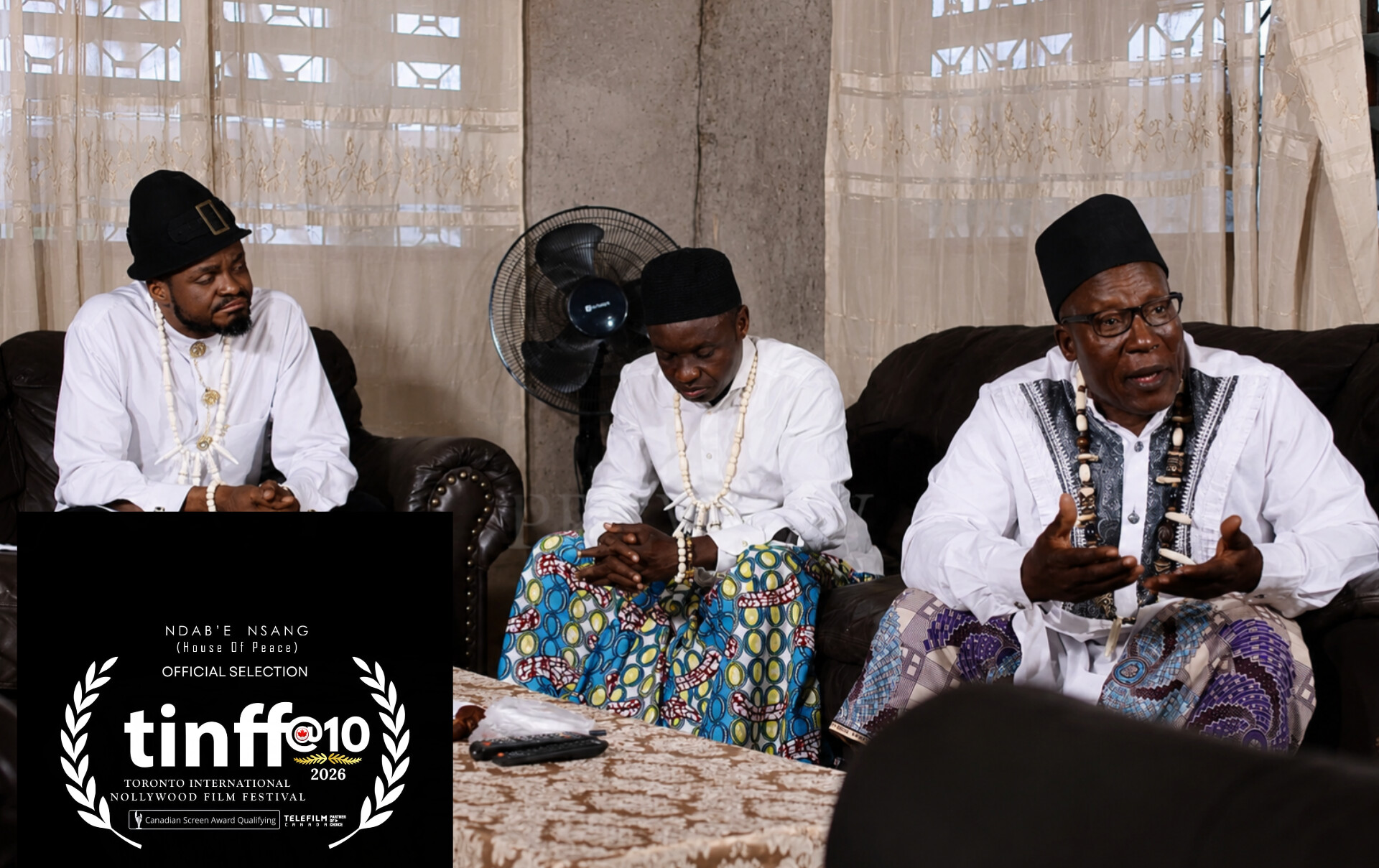
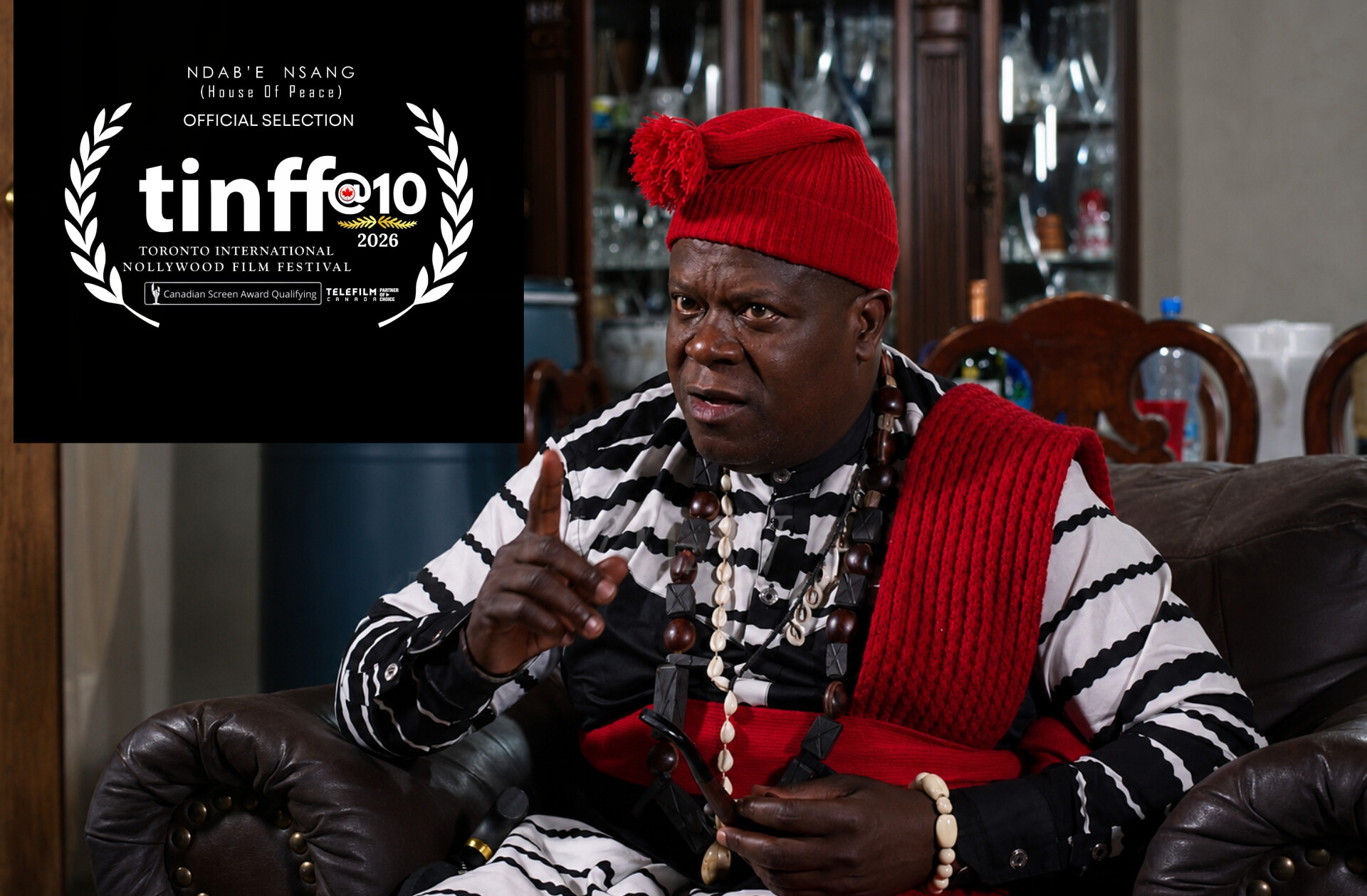
Ndab’e Nsang — House of Peace — directed by Levis Klinsman, was confirmed as a nominee in a notification issued through FilmFreeway, updating the film’s judging status at the festival’s tenth edition. It had already been carrying the TINFF@10 official selection laurel, with the film’s team promoting it in the Best African Indigenous Film category.
The timing is significant. TINFF’s tenth anniversary edition runs from 4 to 13 September 2026 across venues in Toronto and Brampton, Ontario. The festival is a Canadian Screen Award–qualifying event and a Telefilm Canada partner — one of the agency’s approved medium-to-large scale festivals for 2026–2027. Under Academy of Canadian Cinema & Television rules, films selected by at least two approved festivals can build toward Canadian Screen Award eligibility, which means a nomination here is not simply a laurel for a poster. It is a step onto a formal awards pathway.
A film in Bakossi
What makes Ndab’e Nsang unusual is not that it is Cameroonian. It is that it refuses to translate itself upward.
The film is performed in Bakossi, a language of the Kupe-Muanenguba area of Cameroon’s South West Region — not in English, not in French, not in Cameroonian Pidgin. That decision alone puts the film in a small and stubborn category of African cinema: work that treats a local language as fully capable of carrying a feature-length drama, rather than as texture around a more commercially legible core.
The stills released by the production sketch the shape of that ambition. A council of elders in white, black caps and beaded regalia, mid-deliberation on a leather sofa. A chief in a red cap and striped tunic, finger raised, the room clearly his. A family fording a forest stream, a child carried shoulder-high above the water, a woman reaching across the current. A soldier in Cameroonian tiger-stripe camouflage, jaw set, facing a European man in a white shirt. Two hands — one pale, one dark, one cuffed in linen and one in fatigues — locked in a handshake against corrugated steel. An administrator at a desk flanked by the African Union and Chinese flags, phone pressed to his ear, laptop open. And, quietly, a stilt-built plank house with a rusted tin roof, framed by rainforest.
Read together, those images suggest a film working across several registers at once: customary authority and its rituals of debate, displacement and the physical labour of fleeing, and the negotiating rooms where outside powers meet local realities. The title’s promise of a “house of peace” reads less like a description of a place than a question the film is asking.
From CAMIFF to the festival circuit
The film’s route to Toronto ran through home audiences first, including screenings at the Cameroon International Film Festival (CAMIFF), before it moved onto the wider circuit. That order matters. Films built in indigenous languages often depend on local validation before international programmers take the risk, and Ndab’e Nsang appears to have followed exactly that path — proving itself with the community whose language it speaks, then travelling.
Klinsman, a Cameroonian actor and director whose credits include the short Ndone (2020), has now placed a Bakossi-language feature in front of a Toronto jury. For a language whose speakers number in the low hundreds of thousands, that is a genuinely rare piece of visibility.
Why it matters beyond the credits
African cinema’s global moment has largely been narrated through Nollywood’s English-language output and a handful of festival auteurs. Films rooted in specific ethnolinguistic communities — Bakossi, and the dozens of comparable languages across Cameroon alone — tend to circulate locally, on informal networks, and then disappear.
A Canadian Screen Award–qualifying nomination interrupts that pattern. It puts Ndab’e Nsang into an archive, a programme, a jury conversation and a set of records that will outlast its release. It also makes an argument, without needing to state it, that a story does not have to be told in a colonial language to be legible to an international audience.
Whether the film converts the nomination into a win will be settled in Toronto. The more durable outcome may already be secured: a generation of filmmakers in Kupe-Muanenguba and beyond now has a working example that their own language is festival-viable.
The tenth Toronto International Nollywood Film Festival runs 4–13 September 2026 in Toronto and Brampton, Ontario.